
Why Is My Dog Drooling So Much?
A dog drooling so much that it soaks their chest, your furniture, or your lap can range from a perfectly normal breed trait to a sign that something needs medical attention. Hypersalivation, which is the clinical term for excessive drooling, has many possible causes, and the difference between “this is just how my dog is” and “something isn’t right” comes down to context. This blog will provide the full picture and help you learn when it’s time to call Brooklyn Park Pet Hospital in Brooklyn Park, MN.
Is Excessive Drooling in Dogs Normal?
Some drooling is completely normal, especially in certain breeds. However, if your dog is suddenly drooling more than usual, or if drooling is accompanied by other symptoms, it’s worth taking a closer look.
Breeds Prone to Heavy Drooling
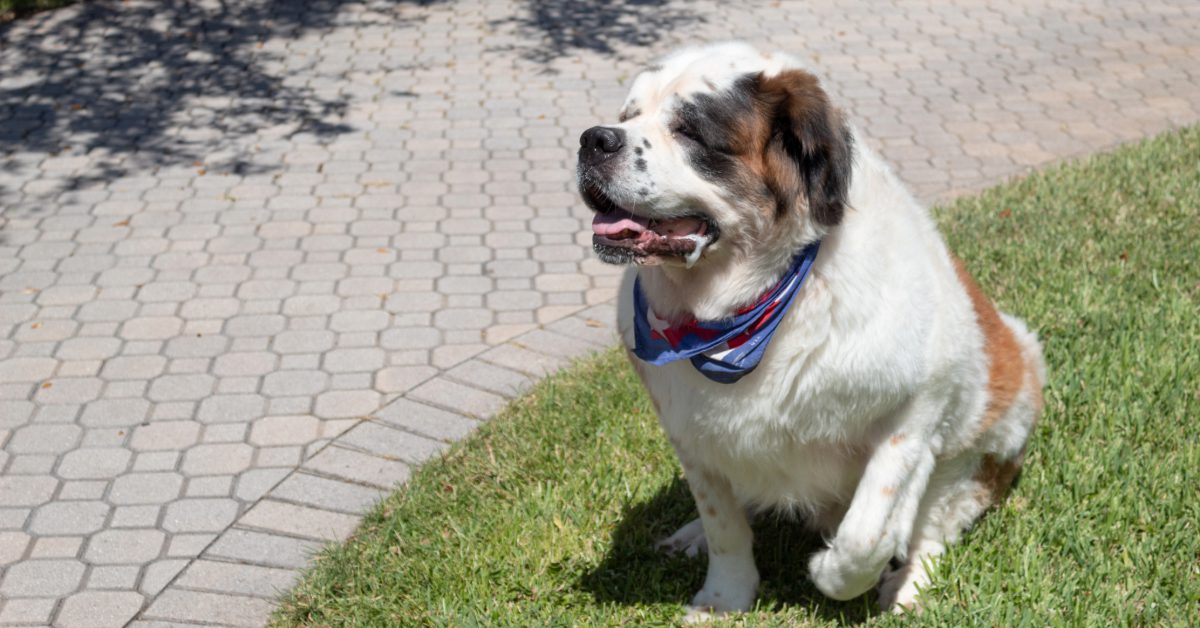
Certain breeds are anatomically built to drool. Dogs with loose, pendulous lips and deep jowls such as Bloodhounds, Saint Bernards, Newfoundlands, Mastiffs, and Basset Hounds produce and pool more saliva by design. For these breeds, heavy drooling is a normal, lifelong characteristic rather than a medical symptom. If you have a jowly breed and your dog has always drooled heavily, there’s typically no cause for concern.
Situational Drooling
Dogs also drool in response to specific situations. The anticipation of food is one of the most common. The sight or smell of a meal can also trigger a significant saliva response. Anxiety and stress are also well-documented triggers; many dogs drool heavily during car rides, thunderstorms, or visits to the vet. This type of drooling is situational and typically resolves once the trigger is removed.
Why Is My Dog Suddenly Drooling So Much? Possible Causes
When a dog that doesn’t normally drool heavily starts drooling excessively or when a drooling dog’s output increases dramatically, it’s time to consider medical causes. There are several conditions that can cause sudden or severe hypersalivation in dogs.
Oral and Dental Disease
Dental disease is one of the most common reasons dogs drool excessively. Periodontal disease, tooth root abscesses, fractured teeth, oral tumors, and gum inflammation can all stimulate increased saliva production. Dogs can’t tell you when their mouth hurts, so drooling, along with pawing at the face, dropping food, or reluctance to eat may be the only visible sign of significant oral pain. If your dog is drooling much more than usual, a dental exam at Brooklyn Park Pet Hospital in Brooklyn Park, MN should be on your list.
Foreign Objects in the Mouth or Throat
A bone fragment, stick splinter, piece of toy, or other foreign body lodged in your dog’s mouth, throat, or esophagus can cause sudden and dramatic drooling. Dogs in this situation may also gag, cough, paw at their mouth, or appear distressed. This is a scenario that warrants prompt veterinary attention as foreign bodies in the GI tract can become dangerous quickly.
Nausea and Motion Sickness
Dogs experiencing nausea, whether from motion sickness, a gastrointestinal upset, or a systemic illness, often drool heavily. Excessive salivation is the body’s response to the sensation of nausea, and it frequently precedes vomiting. If your dog drools excessively during car rides or after eating something unusual, nausea is a likely explanation.
Toxin Ingestion or Poisoning
Sudden, excessive drooling in a dog can be an early sign of toxin ingestion. Many plants, household chemicals, certain foods, and medications can trigger hypersalivation as part of a toxic response. If your dog is drooling profusely and you suspect they may have gotten into something, this is a veterinary emergency. Contact Brooklyn Park Pet Hospital or an emergency animal poison control line immediately.
Neurological Conditions
In some cases, excessive drooling is neurological in origin. Conditions that affect the nerves controlling swallowing or those that cause seizure activity can result in abnormal salivation. If your dog’s drooling is accompanied by facial asymmetry, difficulty swallowing, stumbling, or seizure-like behavior, neurological evaluation is essential.
Organ Disease
Kidney disease and liver disease can both cause excessive drooling in dogs. When the body is unable to filter toxins effectively, those toxins can build up and cause nausea, oral ulceration, and increased salivation. If your dog is drooling more than normal alongside other symptoms like increased thirst, weight loss, or lethargy, organ disease is a possibility that your veterinarian will want to rule out through bloodwork.
Symptoms to Watch for Alongside Excessive Drooling
Drooling alone doesn’t always indicate a serious problem, but it becomes more concerning in combination with other symptoms. Watch for the following signs and contact your veterinarian if you notice them alongside heavy drooling:
- Vomiting, diarrhea, or signs of abdominal pain
- Pawing at the mouth or face
- Difficulty swallowing or eating
- Facial swelling or asymmetry
- Lethargy, weakness, or collapse
- Suspected toxin or foreign body ingestion
- Sudden onset of drooling in a non-drooling breed
How Is Excessive Drooling in Dogs Diagnosed?
When you bring your dog to Brooklyn Park Pet Hospital for excessive drooling, your veterinarian will start with a thorough physical and oral examination. They’ll assess the mouth, teeth, gums, and throat for any visible abnormalities, and ask about the onset, duration, and any accompanying symptoms.
Depending on the findings, additional diagnostics may include:
- Bloodwork and urinalysis to evaluate kidney, liver, and metabolic function
- Dental X-rays to identify tooth root abscesses or hidden oral disease
- Imaging to check for foreign bodies or masses in the GI tract
- Neurological evaluation if a nerve or brain-related cause is suspected
Accurate diagnosis is the foundation of effective treatment, which is why a full workup is often necessary when hypersalivation appears suddenly or without an obvious cause.
Can Anxiety Cause a Dog to Drool Excessively?
Yes, anxiety is a well-established cause of dog drooling. Dogs experiencing fear, stress, or separation anxiety often drool heavily as part of their physiological stress response. If your dog drools excessively in specific situations such as during thunderstorms, fireworks, travel, or when left alone, anxiety-related hypersalivation may be the explanation.
Managing anxiety in dogs is an area where veterinary support can make a real difference. Behavioral strategies, environmental modifications, and in some cases medical support can all help reduce stress-triggered drooling. Talk to our team at Brooklyn Park Pet Hospital in Brooklyn Park, MN if anxiety seems to be a recurring factor in your dog’s drooling.
When Dog Drooling Becomes an Emergency
Most cases of excessive drooling in dogs are not emergencies. However, some are and knowing the difference can be life-saving. Seek immediate veterinary care if your dog is drooling profusely and also showing signs of:
- Difficulty breathing or swallowing
- Bloating or a distended abdomen
- Collapse or extreme weakness
- Suspected poisoning or toxin exposure
- A foreign object lodged in the mouth, throat, or esophagus
Getting to the Root of Your Dog’s Drooling
Wondering why your dog drools so much? The answer may be straightforward such as a breed trait, a stressful situation, or a little nausea, or it may point to something that needs veterinary attention. Either way, our team at Brooklyn Park Pet Hospital in Brooklyn Park, MN is equipped to help you find answers.
Don’t dismiss sudden or excessive drooling as “just what dogs do.” When the drooling is new, dramatic, or paired with other symptoms, reaching out to your veterinarian is always the right call. Your dog’s comfort and health are worth the conversation. Call Brooklyn Park Pet Hospital at (763) 566-6000 to schedule an appointment with our team.