

Why Is My Dog Eating Grass?
Dogs eat grass and while it might look strange, it’s one of the most common behaviors veterinarians field questions about. In most cases, a dog eating grass is completely normal, but the reasons behind it range from simple instinct to potential health signals worth knowing. Whether your dog grazes casually on walks or makes a beeline for the backyard every chance they get, understanding what’s driving the behavior helps you know when to relax and when to pay closer attention. Read on to find out what’s really going on when your dog eats grass, what the research says, and when a trip to Brooklyn Park Pet Hospital in Brooklyn Park, MN might be the right call.
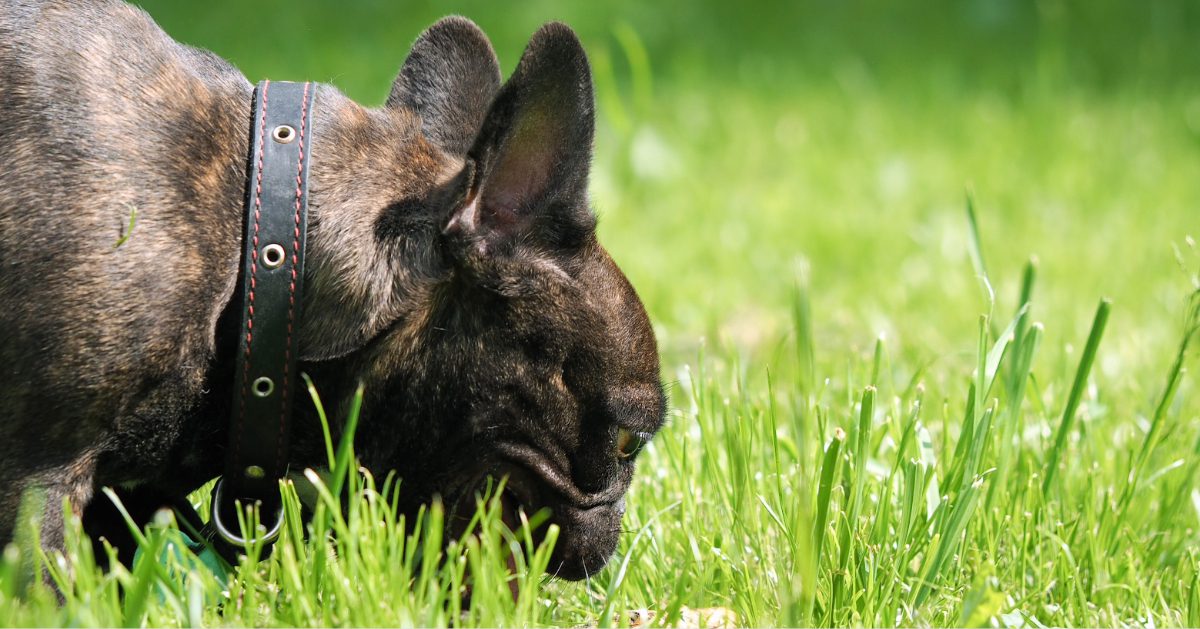
Is It Normal for Dogs to Eat Grass?
Yes, dogs eating grass is one of the most common behaviors veterinarians hear about. Studies suggest that grass consumption is a normal part of canine behavior seen across domesticated dogs and even wild canids. If your dog eats grass occasionally and seems otherwise healthy, there’s generally no cause for alarm.
That said, understanding why dogs eat grass can help you figure out when the behavior is harmless and when it might warrant a call to your veterinarian. At Brooklyn Park Pet Hospital in Brooklyn Park, MN, our team sees this question come up regularly and the answer varies depending on the dog.
Why Do Dogs Eat Grass? Common Reasons
There’s no single explanation for why dogs eat grass. There are several theories, and the real reason likely differs from dog to dog.
Instinct and Ancestral Behavior
One of the leading theories is that dogs eat grass out of pure instinct. The ancestors of modern dogs were opportunistic omnivores who consumed plant matter regularly including the stomach contents of prey animals. Eating grass may simply be a holdover from those evolutionary roots. It doesn’t necessarily mean your dog is hungry or unwell; it may just be acting on a deeply ingrained drive.
Boredom or Behavioral Habit
Dogs that don’t get enough mental stimulation or physical activity sometimes eat grass out of boredom. If your dog tends to graze more during low-activity periods or while unsupervised in the yard, behavioral habit could be the culprit. This type of grass-eating is typically casual and relaxed, the dog nibbles here and there without urgency.
Digestive Discomfort
Perhaps the most well-known theory is that dogs eat grass to settle an upset stomach. Some dogs appear to eat grass quickly and frantically before vomiting, which has led many pet owners to assume their dog is self-medicating. While research hasn’t conclusively proven that dogs eat grass specifically to induce vomiting, there does appear to be a connection between digestive discomfort and grass consumption in some dogs. If your dog regularly eats grass and then vomits, it’s worth discussing with your veterinarian.
Nutritional Gaps
In some cases, a dog eating grass may signal a nutritional deficiency, particularly a lack of fiber. Dogs fed diets that are low in plant-based roughage sometimes seek it out on their own. Grass provides a source of fiber that can support digestion and gut motility. If your dog is consistently drawn to grass, reviewing their diet with your veterinarian is a good starting point.
They Simply Like It
Sometimes the simplest explanation is the right one. Some dogs eat grass because they enjoy the taste or texture. Dogs that graze calmly, show no signs of distress, and don’t vomit afterward may just be expressing a preference. As long as the grass hasn’t been treated with pesticides or herbicides, occasional grazing in these cases is generally considered safe.
When Should I Be Concerned About My Dog Eating Grass?
Occasional grass-eating is typically not a red flag. However, there are certain signs that should prompt you to contact a veterinary professional at Brooklyn Park Pet Hospital. Watch for the following:
- Your dog is eating grass frantically, urgently, or in large amounts
- Grass-eating is consistently followed by vomiting or diarrhea
- Your dog shows other signs of gastrointestinal distress such as bloating, lethargy, loss of appetite, or abdominal pain
- The behavior has suddenly increased in frequency or intensity
- Your dog may have ingested grass treated with lawn chemicals, pesticides, or herbicides
If any of these apply, a visit to Brooklyn Park Pet Hospital in Brooklyn Park, MN is the right next step. Sudden changes in behavior including increased grass-eating can sometimes indicate an underlying GI condition, intestinal parasites, or other health issues that need professional evaluation.
Can Eating Grass Make Dogs Sick?
Grass itself is not toxic to dogs. However, the risks associated with dogs eating grass are often environmental rather than botanical.
Pesticides and Lawn Treatments
Grass that has been treated with fertilizers, herbicides, or pesticides poses a real danger to dogs who eat it. Even small amounts of certain lawn chemicals can cause gastrointestinal upset, neurological symptoms, or more serious toxicity. Always be aware of what your lawn and neighboring lawns have been treated with before allowing your dog to graze.
Parasites in the Environment
Grass can harbor intestinal parasites, including roundworm eggs and other larvae deposited by infected animals. Dogs that regularly eat grass are at a slightly elevated risk of parasite exposure, particularly in areas frequented by wildlife or other dogs. Staying current on parasite prevention is an important safeguard for any dog that spends time outdoors.
Grass Awns and Foreign Bodies
Certain grasses, particularly foxtail, produce seed heads with sharp, barbed awns that can become embedded in a dog’s gums, throat, or digestive tract. If your dog eats grass frequently, check the type of grass in your yard and surrounding areas. Grass awn injuries can be surprisingly serious and may require veterinary intervention.
What Types of Dogs Eat Grass Most Often?
Grass-eating has been observed across virtually all breeds, ages, and sizes. However, some patterns do emerge:
- Puppies and young dogs tend to explore the world with their mouths and may eat grass out of curiosity
- High-energy dogs without sufficient exercise or enrichment may graze out of boredom
- Dogs with sensitive stomachs or a history of GI issues may be more likely to eat grass when experiencing digestive discomfort
- Dogs on low-fiber diets may seek out plant material to supplement their nutrition
Age and diet can both play a role, and understanding your individual dog’s triggers is part of managing the behavior appropriately.
What Your Veterinarian Looks For
If you bring up grass-eating during a wellness visit at Brooklyn Park Pet Hospital, your veterinarian will likely ask about the frequency and context of the behavior: does it happen after meals, on an empty stomach, during walks, or in the backyard? They may also evaluate your dog’s diet, ask about any concurrent GI symptoms, and perform a physical exam to rule out underlying conditions.
In some cases, a fecal exam may be recommended to rule out parasites, or dietary adjustments may be suggested if a nutritional component seems likely. The goal is always to get a complete picture of your dog’s health before drawing any conclusions about why dogs eat grass in your specific pet’s case.
Partnering with Brooklyn Park Pet Hospital for Your Dog’s Digestive Health
If your dog eats grass and you’re not sure whether it’s something to worry about, our team at Brooklyn Park Pet Hospital in Brooklyn Park, MN is here to help. Whether the behavior is a passing curiosity or a sign of a deeper GI concern, getting a professional opinion gives you clarity and peace of mind. Bring up any changes in your dog’s eating habits, including grass-eating, at your next visit, or call ahead if the behavior is sudden, frequent, or accompanied by vomiting or diarrhea.
Dogs are endlessly curious creatures, and grass-eating is one of many behaviors that reflects their complex instincts and digestive needs. With the right support from a knowledgeable veterinary team, you can feel confident navigating whatever your dog decides to put in their mouth. Call us at (763) 566-6000 to book an appointment today.