

Cat Throwing Up White Foam
A quiet morning can take an unexpected turn when you notice your cat throwing up white foam. It often looks alarming, especially when there’s no food in the vomit, just frothy, bubbly liquid. In many cases, this happens when a cat’s stomach is empty or irritated, but it can also signal an underlying issue that deserves attention. At Brooklyn Park Pet Hospital, we often talk with pet owners who feel unsure about what this symptom means or how urgent it may be. This guide breaks down why a cat may be throwing up white foam, what signs to watch for, and when it’s time to involve your veterinarian.
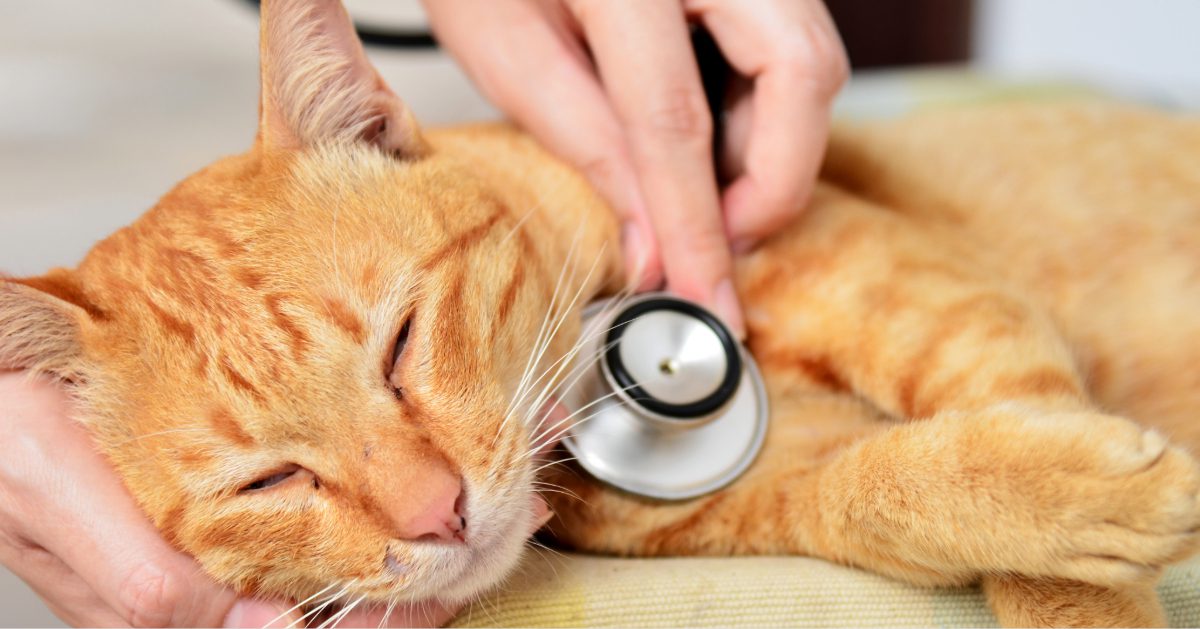
Why Is My Cat Throwing Up White Foam?
When a cat throws up white foam, it usually means the stomach is empty, and the foam consists of saliva and gastric juices. This type of vomiting can happen occasionally without serious concern, but it can also point to irritation in the digestive tract. The stomach naturally produces acids even when no food is present, and that buildup can lead to nausea and vomiting. Some cats experience this early in the morning or between meals when their stomach has been empty for too long.
You may also notice that the foam looks slightly yellow or tinged with bile, which can indicate that digestive fluids are involved. While one isolated episode may not raise immediate concern, repeated vomiting or additional symptoms can suggest a deeper issue. Cats tend to hide discomfort well, so even subtle changes in behavior alongside vomiting deserve attention. Observing frequency, timing, and your cat’s overall demeanor helps guide the next steps.
Common Causes of Cat Throwing Up White Foam
There are several reasons why a cat may begin throwing up white foam, and understanding these causes can help you recognize patterns and potential risks. Some causes are mild and temporary, while others may require veterinary evaluation.
Empty Stomach (Hunger-Related Vomiting)
Cats who go long periods without eating may develop stomach irritation that leads to vomiting foam. This often occurs in the early morning hours or late at night. The stomach continues to produce acid, and without food to digest, that acid can trigger nausea. Some cats may benefit from more frequent feeding schedules, though any changes should be discussed with your veterinary team.
Hairballs and Gastrointestinal Irritation
Hairballs can irritate the stomach lining, especially in cats that groom frequently. When a hairball doesn’t pass easily, your cat may vomit foam instead. This type of vomiting may occur alongside gagging or retching sounds. Over time, repeated irritation can lead to inflammation within the digestive tract.
Dietary Sensitivities or Sudden Food Changes
A sudden switch in diet or sensitivity to certain ingredients can upset your cat’s stomach. This irritation may lead to vomiting, including white foam. Even treats or small changes in routine feeding can contribute. Cats often respond best to gradual dietary transitions, as abrupt changes can disrupt digestion.
Gastrointestinal Conditions
Chronic conditions such as gastritis or inflammatory bowel disease may cause ongoing vomiting episodes. In these cases, cats may throw up white foam regularly rather than occasionally. You might also notice weight loss, appetite changes, or changes in stool. These conditions require professional diagnosis and ongoing management.
Ingestion of Foreign Material
Cats are naturally curious, and they may ingest string, plastic, or other household items. When this happens, the digestive system can become irritated or blocked. Vomiting white foam may occur if the stomach cannot properly process or move contents. This situation can escalate quickly and requires prompt veterinary care.
When Should You Be Concerned?
It’s not always easy to determine when a cat throwing up white foam is a minor issue or something more serious. Paying attention to patterns and additional symptoms can help you decide when to act.
Frequency and Duration
If your cat vomits once and returns to normal behavior, the cause may be temporary. However, repeated episodes within a short period or ongoing vomiting over several days should raise concern. Chronic vomiting is not considered normal, even if your cat seems otherwise stable.
Additional Symptoms to Watch For
Look for signs that may accompany vomiting, including:
- Decreased appetite or refusal to eat
- Lethargy or reduced activity
- Weight loss over time
- Diarrhea or changes in stool
- Signs of discomfort, such as hiding or vocalizing
These symptoms can point to underlying health concerns that need further evaluation.
Age and Health Status
Kittens, senior cats, and cats with pre-existing health conditions may be more vulnerable to complications. Even mild vomiting can have a greater impact on these pets. If your cat falls into one of these categories, it’s wise to seek guidance sooner rather than later.
How Veterinarians Evaluate Vomiting in Cats
When you bring your cat to Brooklyn Park Pet Hospital for vomiting, our veterinary team takes a thorough and methodical approach. The goal is to identify the cause and determine the best path forward.
Physical Examination and History
Your veterinarian will begin with a physical exam and ask questions about your cat’s behavior, diet, and environment. Details such as when the vomiting started, how often it occurs, and whether anything has changed at home are all valuable. This information helps narrow down possible causes.
Diagnostic Testing
Depending on your cat’s symptoms, your veterinarian may recommend diagnostic tests. These may include bloodwork, imaging, or fecal testing. Each test provides insight into how your cat’s body is functioning and whether there are signs of infection, inflammation, or obstruction.
Ongoing Monitoring
In some cases, your veterinarian may recommend monitoring your cat over time to track patterns and response to care. This approach allows for adjustments based on how your cat’s condition evolves. Clear communication between you and your veterinary team plays an important role in this process.
Can Diet and Routine Play a Role?
Daily habits often influence digestive health, and even small changes can affect how your cat’s stomach responds. While not all cases of a cat throwing up white foam relate to routine, it’s worth considering how feeding patterns and environment contribute.
Feeding Schedule and Portion Size
Cats thrive on consistency, and irregular feeding schedules can lead to stomach irritation. Smaller, more frequent meals may help reduce the likelihood of an empty stomach triggering vomiting. Discussing your cat’s feeding plan with your veterinarian can help you determine what works best.
Stress and Environmental Changes
Cats are sensitive to changes in their environment, and stress can impact digestion. Moving homes, introducing new pets, or even rearranging furniture can create subtle stressors. These changes may lead to temporary digestive upset, including vomiting foam.
Hydration and Overall Health
Proper hydration supports digestion and overall wellness. While dehydration is not always the direct cause of vomiting, it can contribute to how the body handles irritation. Monitoring water intake and general health can provide useful insights into your cat’s condition.
How to Tell If It’s an Emergency
Some cases of cats throwing up white foam require immediate attention. Knowing the difference between a routine concern and an urgent situation helps you act quickly when needed.
Signs That Require Immediate Care
Contact your veterinarian right away if you notice:
- Persistent vomiting that does not stop
- Blood in vomit or dark, tar-like stool
- Severe lethargy or collapse
- Signs of pain, such as vocalizing or guarding the abdomen
- Suspected ingestion of a foreign object
These symptoms can indicate serious conditions that need prompt evaluation.
Trusting Your Instincts
You know your cat’s normal behavior better than anyone. If something feels off, it’s always appropriate to reach out for guidance. Early intervention often leads to better outcomes and peace of mind.
Supporting Your Cat’s Digestive Health with Your Veterinary Team
When your cat is throwing up white foam, you don’t have to navigate the situation alone. At Brooklyn Park Pet Hospital, we work closely with pet owners to understand what’s happening and guide next steps based on each cat’s unique needs. Whether the cause is mild or more complex, our team provides thoughtful evaluation and clear recommendations. If your cat has experienced vomiting or you’ve noticed changes in their behavior, we’re here to help. Call us at 763-566-6000 or book an appointment online to connect with our team. Together, we can take a closer look and support your cat’s comfort and health moving forward.