

Why Is My Cat Sneezing So Much?
It often starts with a single, harmless “achoo,” but when the sneezing keeps coming, it’s natural to wonder, “Why is my cat sneezing so much?” In many cases, frequent sneezing points to irritation in the nasal passages caused by infections, environmental triggers, or underlying health concerns. Some causes are mild and temporary, while others may need closer attention. In this blog, we’ll walk through what repeated sneezing can mean, what signs to watch for, and when it’s time to have your cat evaluated so you can feel confident about your next steps.
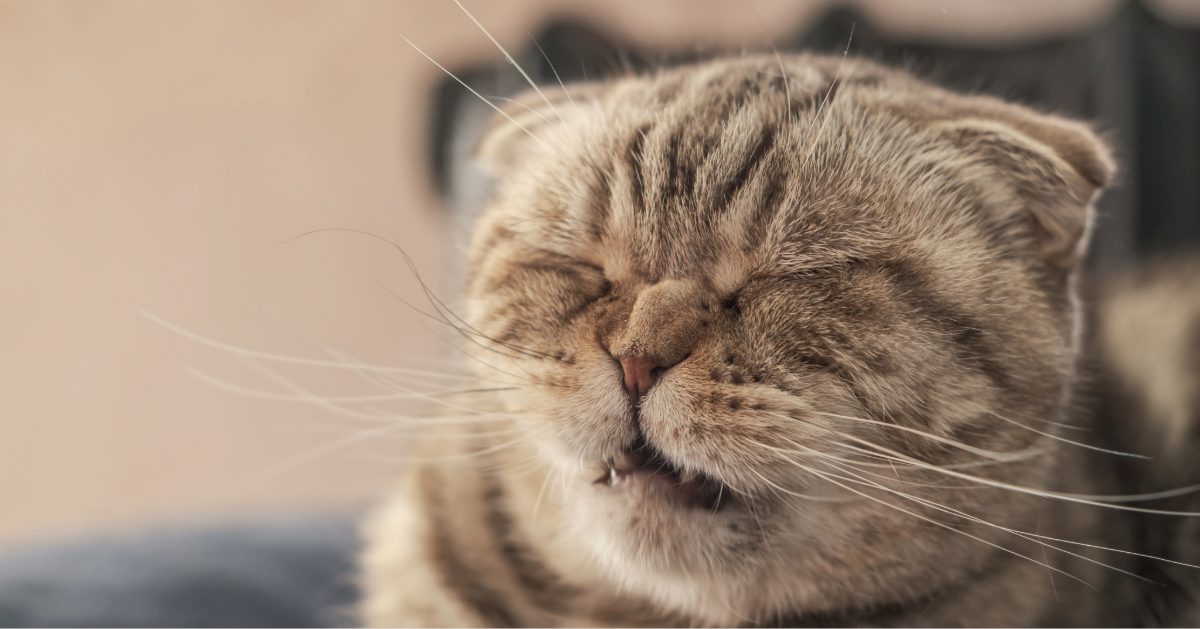
What Causes Frequent Sneezing in Cats?
When pet owners ask, “Why is my cat sneezing so much?”, the answer often involves irritation somewhere within the nasal passages. Sneezing is your cat’s natural way of clearing out irritants, bacteria, or foreign particles from the nose. While a single sneeze may not raise concern, repeated sneezing suggests that something continues to trigger that response.
Several factors can contribute to frequent sneezing in cats, including infections, allergies, or environmental irritants. In many cases, sneezing develops gradually and may be accompanied by other subtle changes such as reduced appetite, watery eyes, or mild lethargy. Paying attention to these patterns helps provide helpful context when discussing your cat’s symptoms with your veterinary team.
At Brooklyn Park Pet Hospital in Brooklyn Park, MN, we often see cats with ongoing sneezing tied to both mild and more complex conditions. Identifying the root cause starts with understanding the most common triggers.
Upper Respiratory Infections in Cats
One of the most common answers to why your cat might be sneezing so much is an upper respiratory infection (URI). These infections affect the nose, throat, and sinuses and can spread easily between cats, especially in multi-cat households or shelters.
Cats with upper respiratory infections often experience inflammation in their nasal passages, which leads to frequent sneezing. Infections may be viral, bacterial, or a combination of both, and they can vary in severity depending on the cat’s age, immune status, and exposure history.
Common Signs That Accompany Sneezing
In addition to sneezing, you may notice:
- Nasal discharge that may be clear, yellow, or green
- Watery or irritated eyes
- Decreased appetite or energy levels
- Mild fever
- Congestion or noisy breathing
These symptoms often develop together, which helps veterinarians determine whether an infection may be present. Early evaluation supports better outcomes and helps reduce the risk of complications.
Why Prompt Evaluation Matters
Upper respiratory infections can worsen if left unaddressed, especially in kittens, senior cats, or pets with weakened immune systems. Chronic infections may also lead to recurring sneezing episodes, making it important to identify and manage the condition early. If your cat continues sneezing for more than a few days, scheduling an exam allows your veterinarian at Brooklyn Park Pet Hospital to assess the situation and recommend appropriate care.
Environmental Irritants and Allergens
Another common reason behind “Why is my cat sneezing so much?” involves exposure to irritants in your cat’s environment. Cats have sensitive respiratory systems, and even minor changes in air quality can trigger sneezing. Household products, dust, and airborne particles can all irritate the nasal passages. Unlike infections, sneezing caused by irritants may appear suddenly and may not include other signs of illness.
Common Triggers in the Home
Your cat may react to:
- Dust or dirty air filters
- Smoke from candles or fireplaces
- Strong cleaning products
- Perfumes or air fresheners
- Litter dust or scented litter
These triggers can linger in the air and continue to affect your cat throughout the day. Identifying patterns such as sneezing after cleaning or using certain products can provide helpful clues.
Seasonal Allergies in Cats
Although less common than in dogs, cats can experience seasonal allergies. Pollen, mold, and other outdoor allergens may enter your home and lead to sneezing. In these cases, sneezing may occur alongside mild eye irritation or itchiness. If your cat’s sneezing seems to follow a seasonal pattern, your veterinary team can help determine whether allergies may play a role.
Dental Disease and Its Connection to Sneezing
Many pet owners are surprised to learn that dental issues can contribute to sneezing. The roots of your cat’s upper teeth sit close to the nasal passages, and infections in this area can extend into the sinuses.
When considering why your cat is sneezing so much, dental disease is an important factor that often goes unnoticed at home. As bacteria build up below the gumline, inflammation and infection can spread, leading to respiratory signs.
Signs That May Point to Dental Concerns
Sneezing linked to dental disease may occur alongside:
- Bad breath
- Difficulty eating or chewing
- Drooling
- Pawing at the mouth
- Swelling near the face
These signs often develop gradually, making them easy to overlook until they become more pronounced. Regular dental evaluations help detect issues early and support your cat’s overall health.
Foreign Objects and Nasal Blockages
If your cat suddenly starts sneezing frequently, a foreign object lodged in the nasal passage may be the cause. Grass blades, small debris, or other particles can become trapped and trigger repeated sneezing as your cat attempts to clear the obstruction.
This type of sneezing often appears abruptly and may seem more intense than typical sneezing episodes. You may notice your cat sneezing in rapid succession or showing signs of discomfort.
When to Suspect a Nasal Obstruction
Watch for:
- Sudden onset of persistent sneezing
- Pawing at the nose
- Nasal discharge, sometimes with blood
- Increased agitation or discomfort
Foreign objects require prompt veterinary attention, as they can lead to irritation or infection if not addressed.
Chronic Conditions and Long-Term Sneezing
In some cases, the answer to “Why is my cat sneezing so much?” involves chronic conditions that require ongoing management. Cats who have experienced previous infections may develop lasting inflammation in the nasal passages, which leads to recurring sneezing.
Chronic rhinitis or sinusitis can cause intermittent flare-ups, especially during times of stress or immune changes. While these conditions may not always resolve completely, proper diagnosis allows your veterinary team to create a plan that supports your cat’s comfort and quality of life.
Patterns to Watch Over Time
Chronic sneezing often includes:
- Periods of improvement followed by recurrence
- Mild but consistent nasal discharge
- Sneezing triggered by stress or environmental changes
Tracking these patterns helps your veterinarian determine whether a chronic condition may be present.
When Should You Be Concerned About Your Cat Sneezing?
It’s natural to wonder when sneezing crosses the line from normal to concerning. While occasional sneezing may not require immediate attention, persistent or worsening symptoms should prompt a closer look. If you’re asking, “Why is my cat sneezing so much?”, consider how long the behavior has continued and whether other symptoms are present. Changes in appetite, energy, or breathing can all signal the need for evaluation.
Signs That Warrant a Veterinary Visit
Contact your veterinary team if you notice:
- Sneezing that lasts more than a few days
- Thick or discolored nasal discharge
- Loss of appetite or weight
- Lethargy or behavioral changes
- Difficulty breathing
These signs provide important insight into your cat’s health and help guide next steps.
How Is the Cause of Sneezing Diagnosed?
When you bring your cat in for an exam, your veterinarian focuses on identifying the underlying cause of the sneezing. This process begins with a thorough history and physical examination, followed by additional diagnostics if needed. Understanding why your cat is sneezing so much requires looking at the full picture, including your cat’s environment, medical history, and current symptoms.
What to Expect During the Visit
Your veterinarian may:
- Examine the nose, eyes, and throat
- Evaluate dental health
- Ask about recent changes in your home or routine
- Recommend diagnostic testing such as imaging or lab work
Each step helps narrow down potential causes and ensures your cat receives the most appropriate care.
Supporting Your Cat’s Respiratory Health
While sneezing can stem from many different causes, maintaining your cat’s overall health supports a stronger immune system and reduces the likelihood of recurring issues. Regular veterinary visits allow your care team to monitor changes and address concerns early.
Preventive care also plays a role in reducing exposure to infectious diseases and identifying underlying conditions before they progress. Keeping your cat’s environment clean and minimizing exposure to irritants can further support respiratory comfort.
At Brooklyn Park Pet Hospital, we work closely with pet owners to identify the cause behind symptoms like frequent sneezing and guide next steps with clarity and care.
Find Answers for Your Cat’s Sneezing at Brooklyn Park Pet Hospital
If you’re still wondering, “Why is my cat sneezing so much?”, a veterinary exam offers the clarity you need. Sneezing may seem like a small concern at first, but it often provides valuable insight into your cat’s overall health. Our team at Brooklyn Park Pet Hospital in Brooklyn Park, MN is equipped to evaluate your cat’s symptoms and help you understand what’s going on. Call us at 763-566-6000 or book an appointment online to get started.